What to Do After a Car Accident: Seeking Collision Repair in Grande Prairie
For vehicle owners, collision repair holds significant importance, especially following accidents that may jeopardize both the vehicle's integrity and the safety of its passengers. From minor dents to severe structural issues, identifying a reliable repair service can alleviate unnecessary stress, reduce costs, and save time. In Grande Prairie, numerous dedicated collision repair shops offer a variety of services designed to bring damaged vehicles back to their original state.
In this article, we'll delve into the intricacies of collision repair, outlining what you should anticipate and providing tips for selecting the most suitable service provider. Emphasizing the critical nature of quality and professionalism in this field, we'll also highlight how local businesses excel in delivering outstanding repair solutions read more.
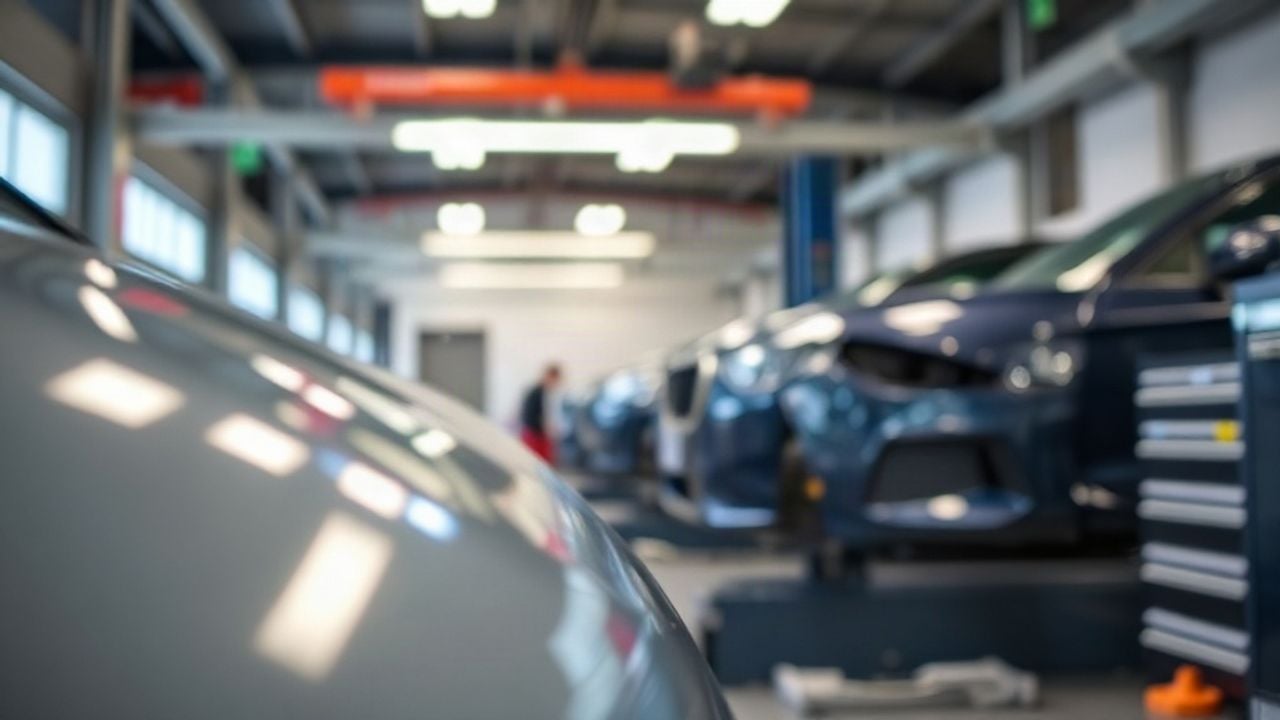 Grande Prairie Collision RepairGrande Prairie Collision Repairs
Understanding the Collision Repair Process
The collision repair process typically begins with an initial assessment to determine the extent of vehicle damage. This is followed by estimating the costs and necessary repairs based on the findings. Most repair shops in Grande Prairie will check various parts, including the body panels, frame, and internal components to ensure no underlying issues exist. Once this is complete, the actual repair work takes place, broken down into several key phases.
The first phase involves removing any damaged parts, which may include bumpers, panels, or even internal components like the suspension system. Once those parts are out, technicians will inspect the frame and undercarriage for hidden damage. Depending on the severity, parts might be repaired or replaced. Most collision repair experts recommend using Original Equipment Manufacturer (OEM) parts when replacing damaged components to maintain vehicle integrity and warranty coverage.
After the mechanical repairs are completed, the vehicle is usually painted to match its original color. Quality paint matching techniques ensure that the repair work is nearly indistinguishable from the rest of the vehicle. For detailed information on this subject, .
Common Types of Repairs
Collision repairs encompass various services tailored to different types of damage. Some common repairs include dent removal, paintless dent repair, frame straightening, and structural repairs. Depending on the circumstances of the accident, you might also encounter repairs addressing airbags, electrical systems, or additional mechanical repair needs. Understanding these options will help vehicle owners make informed decisions about their repair needs.
Choosing the Right Collision Repair Provider
Selecting the right collision repair provider in Grande Prairie requires careful consideration of multiple factors. One of the first questions to ask is whether the shop holds an appropriate certification from recognized organizations within the auto repair industry. Such certifications indicate a commitment to quality service and industry standards. Additionally, considering customer reviews and testimonials can provide valuable insights into the reputation and reliability of a collision repair shop.
Another crucial element to consider is the expertise of technicians. Collision repair specialists should have experience with your vehicle make and model. Specialized training and a solid background in both mechanical and aesthetic repairs will ensure that your vehicle receives the best care possible.
It’s also essential to ask about the types of warranties offered on repairs. A reputable collision repair company in Grande Prairie should stand behind its work, providing warranties on parts and labor for a reasonable period. This added assurance can provide peace of mind for vehicle owners who are dealing with the aftermath of an accident.
Understanding Collision Repair Costs
The cost of collision repair can fluctuate greatly, determined by the level of damage and the specific repair services that are necessary. For instance, minor repairs such as dent removal or fixing scrapes may only cost you a few hundred dollars. In contrast, more severe damages that need frame adjustments and replacement components can run into the thousands of dollars.
Your insurance policy greatly impacts the out-of-pocket costs for repairs. Depending on the plan, some insurance may cover certain collision repair costs, while others may mandate that you pay a deductible first. Thus, it is crucial to review your insurance details in advance and check with your insurance representative if you have uncertainties.
Moreover, be aware of future costs that may arise. Cars that had prior collisions might require additional servicing later on, especially when repairs are not performed correctly. Choosing a skilled collision repair facility is vital to mitigate these potential problems.
For additional insights into pricing structures, consider delving into the automotive collision repair industry.
Tips for a Smooth Repair Process
Proper preparation can streamline your collision repair experience significantly. Follow these essential pieces of advice:
- Keep detailed records of all communications with your insurance company and repair shop.
- Ask questions about the repair process and seek clarification on any terms you don't understand.
- Find out if the shop uses quality parts and materials to ensure the longevity of your repairs.
- Maintain an open line of communication with the shop during repairs, especially if unexpected issues arise.
- Consider obtaining a second opinion if you feel uncertain about the first estimate you receive.
Steps to Take After a Collision
- Ensure Safety: After an accident, check for injuries. If it's safe, move the vehicle out of traffic to prevent further incidents.
- Assess Damage: Take photos of the vehicle's damage and any other vehicles involved. This documentation is vital for insurance claims.
- Contact Your Insurer: Notify your insurance company about the accident. They may provide guidance on next steps and preferred repair services.
- Find a Collision Repair Shop: Research local collision repair shops in Grande Prairie, checking reviews and certifications.
- Obtain Estimates: Visit a few shops for repair estimates. Make sure they include details on the necessary repairs and parts.
- Choose and Schedule Repairs: Once you've decided on a provider, schedule your repair work. Ensure to ask about timelines and warranty coverage.
Frequently Asked Questions
What is Collision Repair?
Collision repair encompasses a variety of tasks aimed at returning a vehicle to its original state following an accident. This process typically includes fixing body damage, applying new paint, and making necessary mechanical adjustments to ensure the vehicle is both functional and safe for driving.
How do I choose a Collision Repair provider?
When selecting a provider for collision repair, evaluate their certifications, read customer testimonials, assess the qualifications of their technicians, and inquire about the warranties they provide for their services. These considerations will help guarantee that your vehicle receives high-quality repairs.
How much does Collision Repair cost?
The cost of collision repair can greatly differ depending on how severe the damage is and what type of repairs are required. Minor damage can often be repaired for several hundred dollars, whereas more extensive repairs could reach into the thousands. Additionally, the amount of insurance coverage you have may influence your final expenses.
Collision repair is a critical service that restores not only your vehicle's appearance but also its safety and functionality. By understanding the repair process, how to select a provider, and the potential costs, vehicle owners can make informed decisions that benefit their long-term investment.
Your vehicle deserves quality care, which is why pursuing professional services is paramount. Whether it's a minor dent or major structural repairs, ensure you trust experts in Grande Prairie to restore your automobile effectively.